In the face of escalating environmental challenges, understanding the intricate relationship between humans and the natural world has never been more vital. Environmental education plays a pivotal role not only in fostering awareness but also in equipping individuals with the knowledge and skills necessary to address pressing ecological issues. It bridges science, ethics, and responsible citizenship, empowering future generations to contribute to the planet's sustainability.
One of the foundational reasons for prioritizing environmental education is its potential to cultivate informed citizens. Awareness about critical topics such as climate change, biodiversity loss, and pollution equip individuals with the clarity needed to understand global and local environmental problems. By incorporating these subjects into educational curricula, schools can instill a deeper appreciation for nature and highlight the consequences of human actions on the ecosystem.
Moreover, environmental education encourages critical thinking and problem-solving skills. Students are not only provided with facts and figures but are also encouraged to analyze and interpret data, assess risks, and brainstorm sustainable solutions. This active learning process inspires young minds to innovate and find creative solutions to environmental challenges, potentially leading to breakthroughs in sustainable technology, conservation strategies, and resource management.
Beyond fostering intellectual growth, environmental education plays a crucial role in shaping attitudes and behaviors. Exposure to environmental topics helps individuals develop a personal and emotional connection to the natural world. This connection is instrumental in motivating environmentally conscious behaviors such as recycling, conservation, and a reduction in wasteful consumption. A population that understands the significance of sustainability is more likely to support green policies and practices, vote for environmentally focused leaders, and participate in community-based environmental efforts.
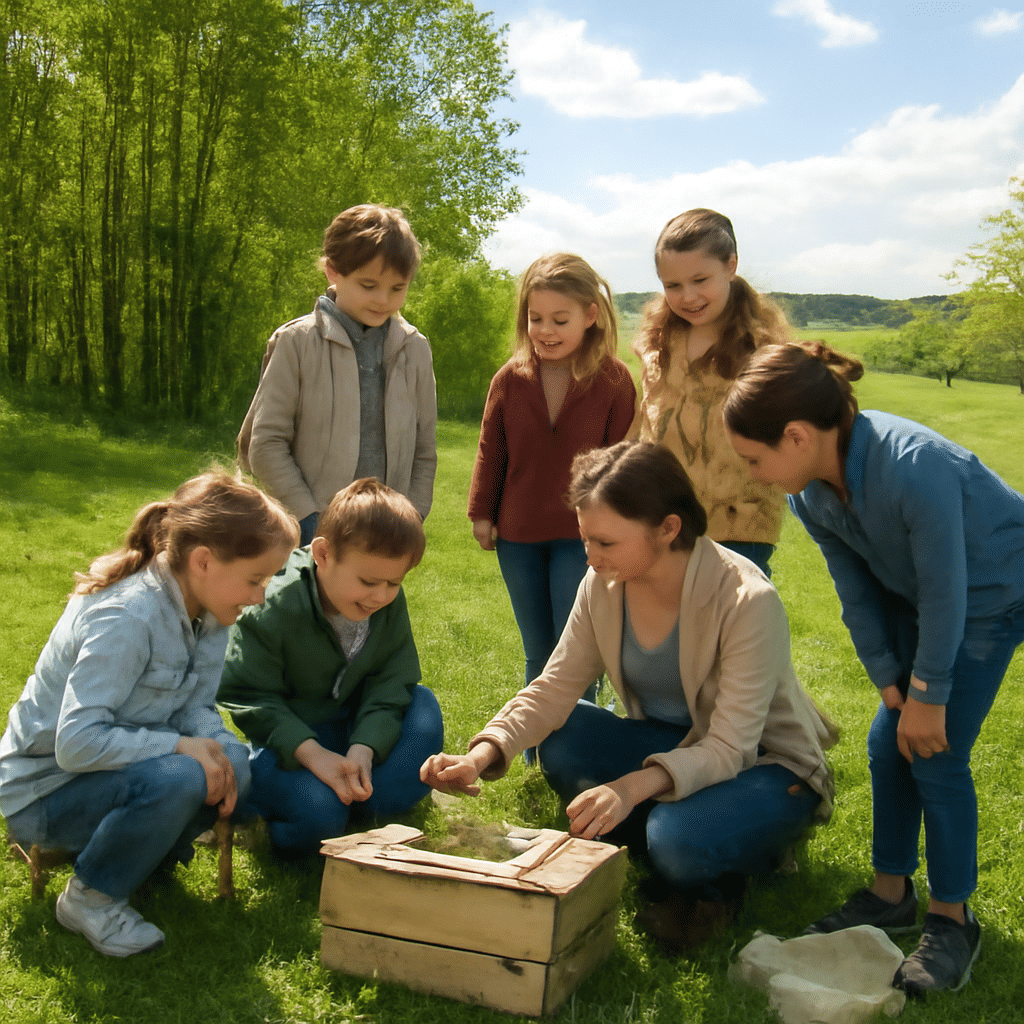
Importantly, environmental education is not just about informing; it's about inspiring action. By engaging students in hands-on activities such as tree planting, habitat restoration, or energy audits, educators can impart a sense of responsibility and agency. These practical experiences not only reinforce theoretical knowledge but also provide tangible ways for young people to contribute to environmental preservation directly.
Incorporating environmental education across various platforms—from primary schools to higher education institutions, and even community programs—ensures its accessibility to a broader audience. It is important that environmental education be inclusive, integrating diverse cultural perspectives and emphasizing the interconnectedness of global ecosystems. By appreciating this diversity, learners gain a comprehensive understanding of environmental issues and the varying regional and cultural implications they carry.
Environmental education thus acts as a foundation for sustainable development. By equipping individuals with the skills necessary to mitigate environmental problems, society ultimately moves towards a more resilient and adaptable future. As stewards of the Earth, it is our collective responsibility to ensure that this education is robust, inclusive, and action-oriented, fostering a generation capable of taking informed, decisive, and positive action towards preserving our planet for future generations.