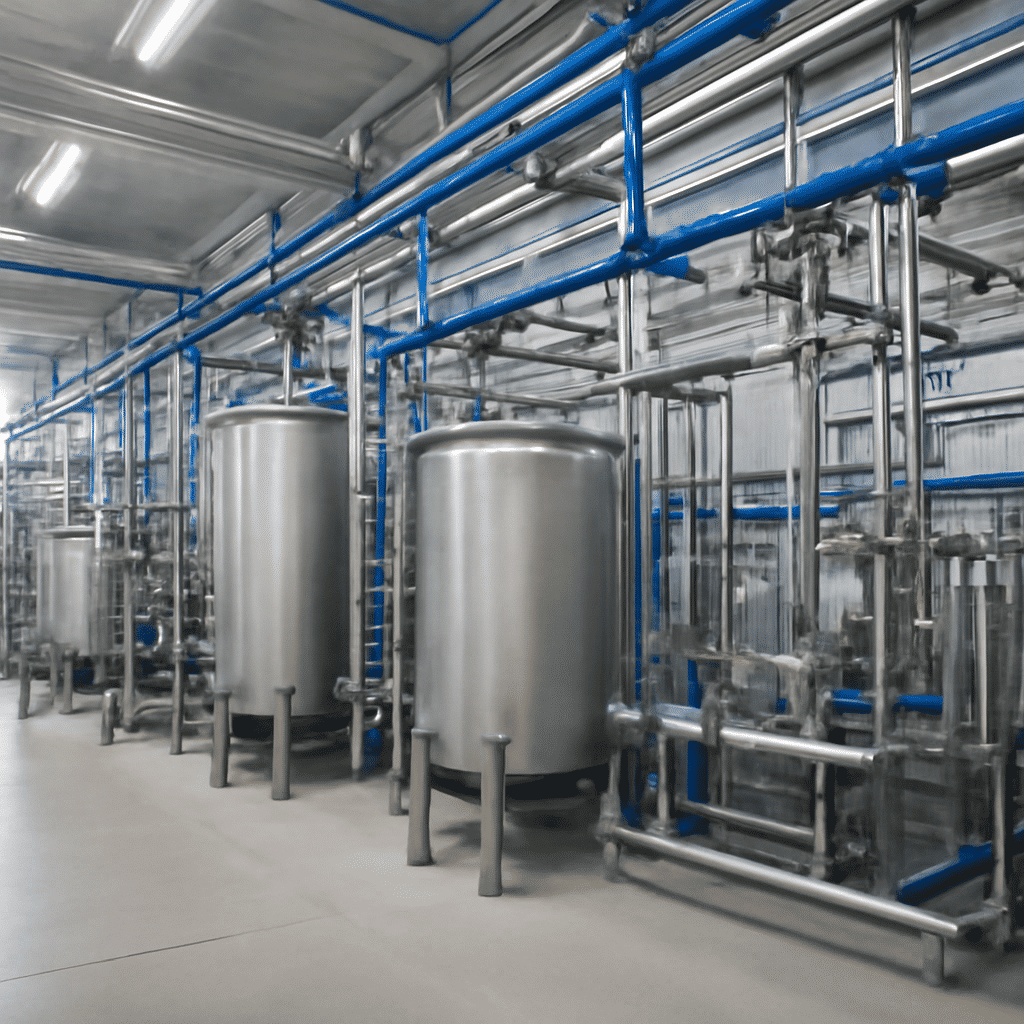
Water recycling has become an imperative in today's world, where water scarcity is a pressing concern for many regions. As populations grow and climate change impacts water availability, innovative solutions are essential to ensure sustainable water use. This article explores some of the latest and most groundbreaking initiatives in water recycling, each offering a promising approach to revolutionizing how we use this precious resource.
One of the most significant advances in water recycling is the development of decentralized water treatment systems. Unlike traditional centralized systems that require extensive infrastructure, decentralized systems bring water treatment closer to the point of use. This approach minimizes the energy required for transporting water and enables communities to manage their water resources more effectively. These systems can be particularly beneficial in remote or rural areas, where access to centralized systems might be limited.
Technological advances in membrane filtration are also playing a crucial role in water recycling. Ultrafiltration and nanofiltration membranes can remove contaminants at a microscopic level, making it possible to treat wastewater to near-potable standards. Recently, scientists have developed graphene-based membranes that offer greater efficiency and durability, which could lower costs and energy consumption associated with water treatment processes.
Another innovative initiative is the integration of artificial intelligence (AI) and machine learning into water management systems. AI can optimize the operation of water recycling facilities by predicting equipment failures, adjusting chemical dosing, and managing energy usage. This leads to more efficient water recycling processes and reduced operational costs. By harnessing data from sensors and real-time monitoring, AI systems ensure that water treatment plants operate at peak efficiency.
Urban environments are also seeing transformations with the development of green infrastructure that incorporates water recycling. Green roofs, permeable pavements, and constructed wetlands not only manage stormwater but also recycle and purify it. These solutions increase urban resilience to flooding while providing usable water for irrigation and other non-potable purposes. Some cities have even implemented "sponge city" concepts, which aim to absorb, clean, and reuse rainwater effectively.
Public-private partnerships are further driving innovation in water recycling. Collaborative efforts between governments, businesses, and research institutions are facilitating the development and implementation of new technologies. These partnerships are critical for testing and scaling up solutions, ensuring they are viable and effective in real-world settings.
Moreover, community engagement and education are fundamental to the success of water recycling initiatives. Public awareness campaigns and educational programs help individuals understand the importance of water conservation and how they can contribute to recycling efforts. Engaging communities in decision-making processes ensures that solutions are culturally appropriate and widely accepted.
The agricultural sector, being one of the largest consumers of freshwater, is also pivotal in water recycling innovation. Initiatives such as drip irrigation with treated wastewater significantly reduce freshwater use while providing nutrients from the wastewater to crops. Research in this field is ongoing to ensure that recycled water for agriculture is free from harmful pathogens and chemicals, maintaining food safety and quality.
In conclusion, the latest initiatives in water recycling reflect a blend of technological innovation, strategic planning, and community involvement. They show a clear path to revolutionize water usage and ensure sustainability for future generations. As these technologies and strategies continue to evolve, they hold the potential to alleviate water scarcity and contribute to a more sustainable world. By embracing these innovative solutions, we can transform our approach to water use and management, ensuring that this vital resource is available for all, now and in the future.