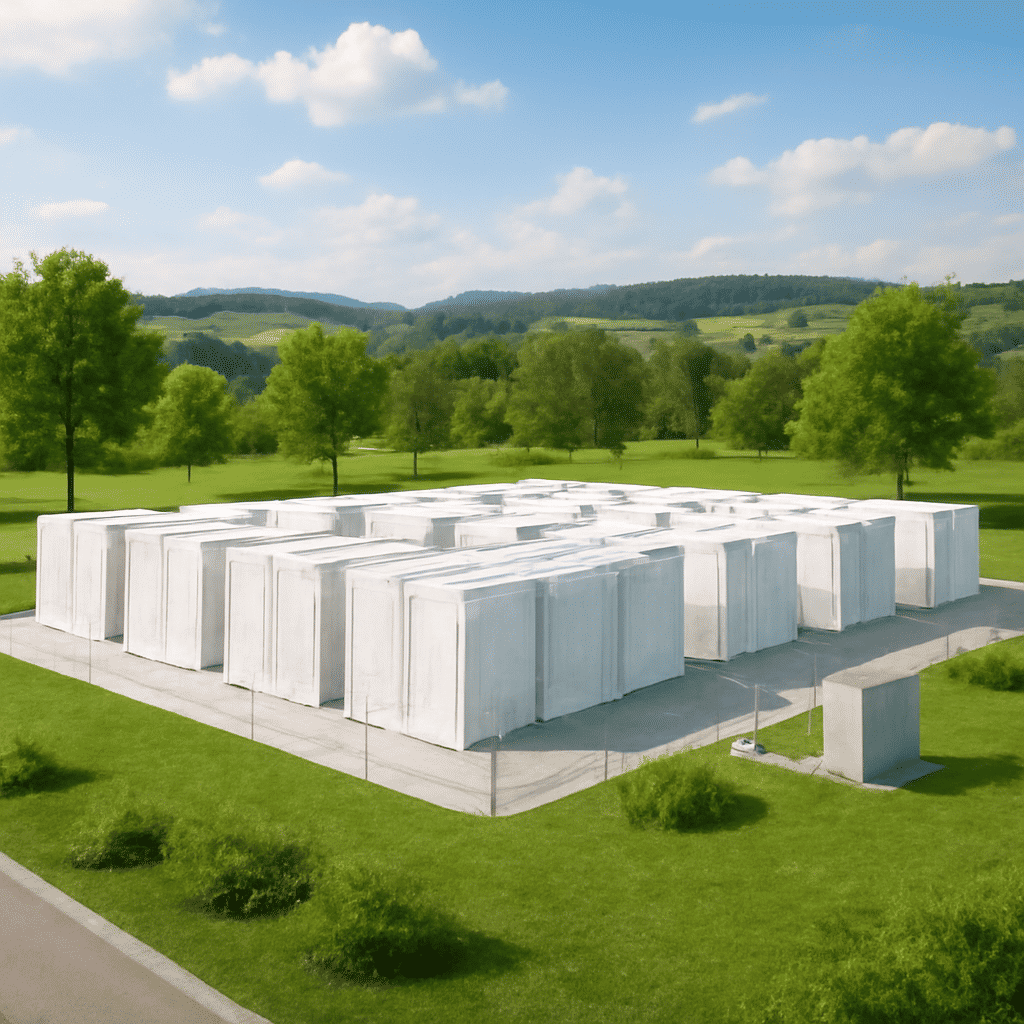
Energy storage is an essential component of modern energy systems, enabling the efficient and reliable use of power from a variety of sources. As the global focus shifts towards renewable energy, the ability to store excess energy for later use has become increasingly important. This capability not only helps to balance supply and demand but also supports the integration of sustainable energy sources into the grid.
One of the primary benefits of energy storage is its ability to provide a stable supply of electricity, even when production from renewable sources like solar and wind is variable. These renewable sources are inherently intermittent, producing energy only when the sun shines or the wind blows. Energy storage solutions allow for the capture of surplus energy generated during peak production times, which can then be released during periods of low production or high demand.
Various technologies are employed in energy storage, each with its unique advantages and applications. One of the most common approaches is the use of lithium-ion batteries, which offer high efficiency and rapid response times. These batteries are prevalent in household storage systems and electric vehicles because of their compact size and scalability.
Another promising technology is pumped hydro storage, which has been in use for decades. This method involves using excess energy to pump water uphill to a reservoir. When energy is needed, the water is released to flow downhill, turning turbines to generate electricity. Pumped hydro storage is renowned for its capacity to store large amounts of energy for extended periods, making it suitable for grid-scale applications.
In addition to these technologies, advancements in other areas, such as thermal energy storage and flow batteries, continue to expand the possibilities for energy storage solutions. Thermal energy storage typically involves storing heat energy, which can be used to generate electricity or provide direct heating when needed. Flow batteries, on the other hand, store energy in liquid electrolytes, offering the potential for long-duration storage.
The economic implications of energy storage are substantial. Efficient storage systems can reduce the reliance on fossil fuels, lower energy costs, and enhance the resilience of power systems. By enabling a greater share of renewable energy to be used, they play a crucial role in reducing carbon emissions and combating climate change.
Moreover, the flexibility provided by energy storage solutions is a key factor in modernizing the grid. They allow for demand response and better management of resources, ensuring that energy production is more closely aligned with consumption patterns. This capability not only increases the stability of the electricity grid but also enables new business models and services centered around distributed energy resources.
In conclusion, energy storage is a critical enabler of a sustainable energy future. By providing a means to store and release energy when necessary, it supports the transition to a more renewable-based energy system. As technology continues to evolve, the role of energy storage will undoubtedly expand, fostering greater energy security and efficiency across the globe. The continued development and deployment of innovative storage solutions are essential for addressing the energy challenges of today and tomorrow.