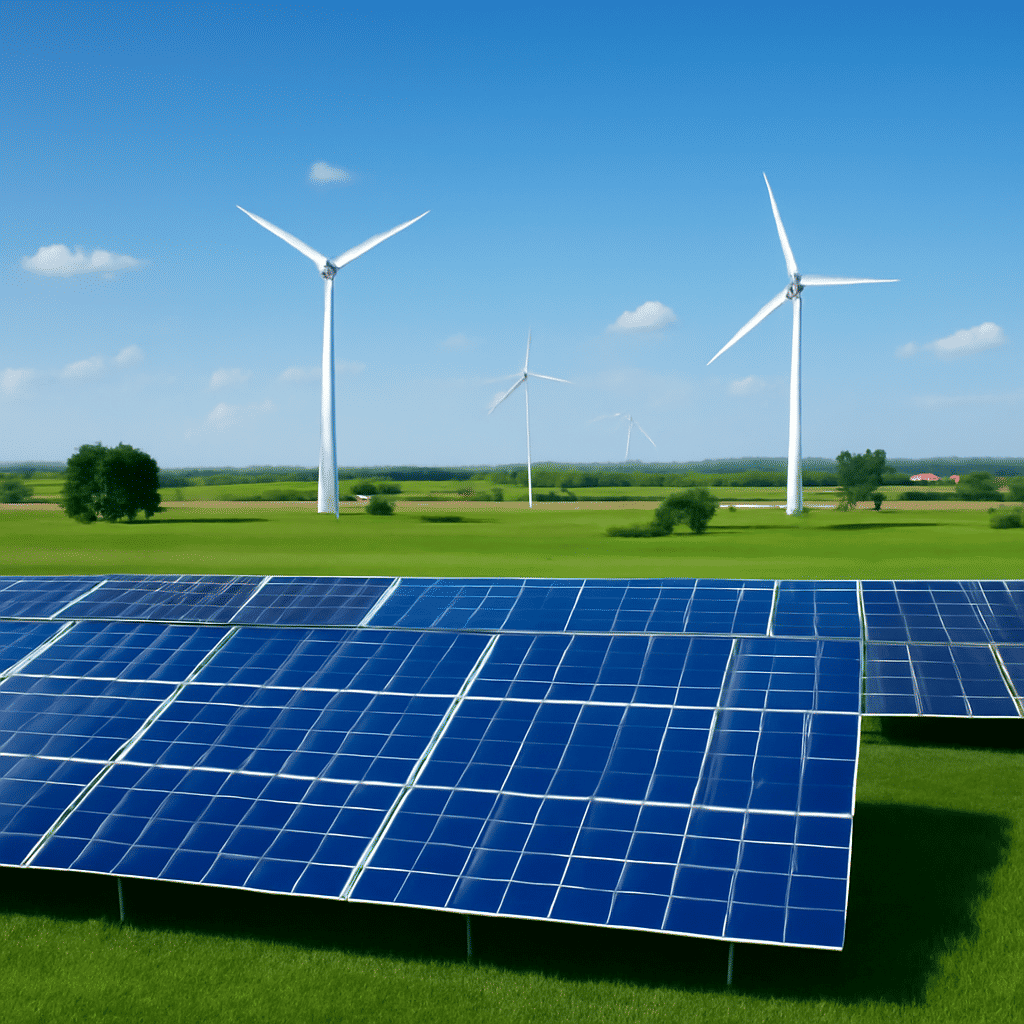
Harnessing the potential of renewable energy sources is not only an environmentally responsible choice but also a step towards a sustainable future. At a time when climate change and environmental degradation are major global concerns, transitioning to clean and eco-friendly energy sources is crucial for both individuals and businesses.
Renewable energy sources, such as solar, wind, hydroelectric, and geothermal, offer solutions that can drastically reduce our carbon footprint. Solar energy, for instance, is one of the most accessible and widely used renewable energy sources. Solar panels can be installed on rooftops to capture sunlight and convert it into electricity, providing a sustainable energy solution for homes and businesses. The energy generated is not only clean but also cost-effective in the long term, significantly reducing electricity bills.
Wind energy is another powerful renewable resource. With advances in technology, modern wind turbines are more efficient and capable of generating substantial amounts of electricity. For businesses situated in areas with consistent wind patterns, investing in wind energy can supply a significant portion of their energy needs.
Hydroelectric power, which utilizes flowing or falling water to generate electricity, is one of the oldest renewable energy sources. It is incredibly reliable and efficient, although its feasibility largely depends on geographical location and water availability. Large-scale hydroelectric projects have already revolutionized energy production in many countries, providing a stable and renewable power supply.
Geothermal energy, though less commonly discussed, offers tremendous potential. By tapping into the Earth’s internal heat, geothermal systems can provide heating and electricity with minimal environmental impact. This type of energy is especially beneficial in volcanic regions where geothermal activity is naturally abundant.
Incorporating these renewable sources into our energy infrastructure not only helps mitigate the effects of climate change but also promotes energy independence. Unlike fossil fuels, which are subject to market fluctuations and geopolitical tensions, renewable energy sources are abundant and locally sourced. This leads to greater energy security and stability for communities.
Furthermore, the advancement and widespread adoption of renewable energy technologies have spurred economic growth and job creation. The renewable energy sector is fostering innovation and offering new career opportunities, from engineering and installation to research and development.
For consumers, transitioning to renewable energy is increasingly accessible. Government incentives, subsidies, and technological advancements have made it easier than ever to adopt these clean energy solutions. As more people and businesses make the switch, the demand for fossil fuels will continue to decline, creating a cleaner and more sustainable environment for future generations.
Ultimately, harnessing renewable energy is a vital step toward a sustainable future. By prioritizing cleaner sources of energy, we can contribute to the reduction of greenhouse gas emissions, conserve natural resources, and protect our planet's ecosystems. The transition to renewable energy is not just an investment in the present but a commitment to a healthier, more sustainable future for all.